Alphabet Inc. (NASDAQ: GOOGL) is on the precipice of finalizing its most ambitious acquisition to date, as its $32 billion buyout of the cybersecurity titan Wiz moves into its final stages. On February 10, 2026, the European Commission granted unconditional antitrust approval for the transaction, removing one of the last major hurdles for the tech giant. The deal, which is nearly triple the size of Google’s previous record-breaking purchase of Motorola Mobility in 2012, signals a definitive shift in Alphabet’s strategy to dominate the enterprise cloud and artificial intelligence sectors.
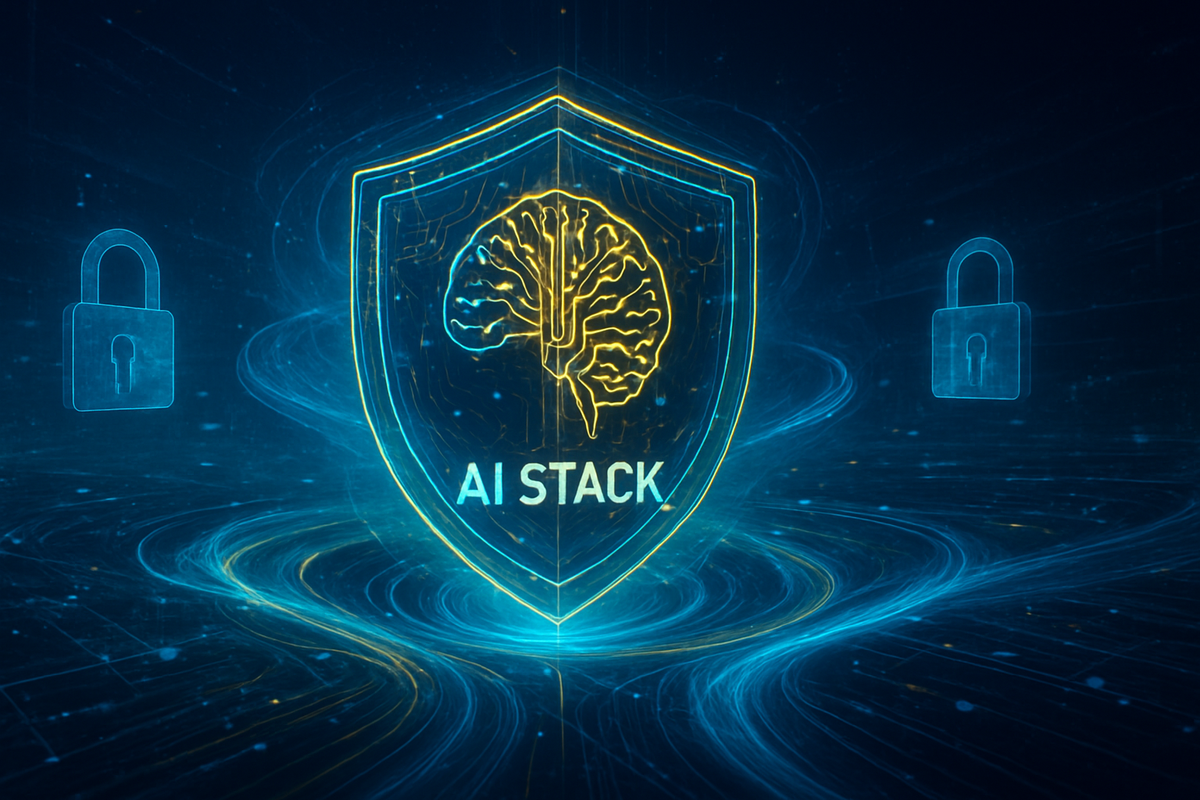
The move comes at a critical juncture for Google Cloud, which has spent the last several years fighting for market share against entrenched rivals. By integrating Wiz’s cutting-edge security architecture, Alphabet isn't just buying a software company; it is securing the "AI Stack"—the fundamental infrastructure that allows businesses to build, train, and deploy generative AI models without the risk of data leaks or systemic vulnerabilities. For investors, the nearing completion of this deal marks the end of a long period of regulatory uncertainty and the beginning of a new era for Google’s cloud-native defense capabilities.
The Road to $32 Billion: A Timeline of the Megadeal
The journey toward this historic acquisition began in earnest in mid-2024, when rumors first surfaced of a $23 billion bid. While that initial attempt stalled as Wiz reportedly explored an initial public offering, the landscape shifted dramatically in 2025. Amidst a surge in AI-driven cyber threats and a consolidating security market, Alphabet returned to the table with an sweetened all-cash offer of $32 billion. The deal cleared its first major regulatory hurdle in November 2025, when the U.S. Department of Justice (DOJ) signaled it would not challenge the merger, a surprising move given the current administration’s historically aggressive antitrust stance.
Wiz, founded by a team of Israeli entrepreneurs led by Assaf Rappaport, has seen a meteoric rise since its inception in 2020. The company’s Cloud-Native Application Protection Platform (CNAPP) became an industry standard by providing "agentless" visibility across diverse cloud environments. This was the specific "crown jewel" Alphabet sought. Unlike traditional security tools that require complex installations on every server, Wiz scans the entire cloud architecture from the outside, identifying vulnerabilities in minutes that used to take months to find. This speed is essential in the age of AI, where model training happens at a pace that traditional security measures simply cannot match.
The market reaction to the EU’s approval has been largely positive, though cautious. Alphabet’s stock saw a modest uptick on the news, as the $32 billion price tag—while substantial—is viewed by many analysts as a necessary investment to bridge the gap with its "hyperscaler" competitors. Within the halls of Google Cloud, the mood is one of preparation; Wiz is expected to remain a distinct brand under the Alphabet umbrella, retaining its 1,800-person workforce while deeply integrating its technology into Google’s Vertex AI and Gemini platforms.
The Battlefield: Winners and Losers in the Security Shakeup
Alphabet Inc. (NASDAQ: GOOGL) emerges as the primary winner, potentially transforming Google Cloud from a perennial third-place contender into the "security-first" alternative for enterprise customers. By owning Wiz, Google can now offer a seamless, multi-cloud security layer that works not just on its own servers, but also on those of its competitors. This "Switzerland" approach—providing tools that work across all platforms—is a strategic masterstroke that could entice large corporations to move more of their high-value AI workloads to Google’s infrastructure.
On the other side of the ledger, established cybersecurity firms like Palo Alto Networks Inc. (NASDAQ: PANW) and CrowdStrike Holdings Inc. (NASDAQ: CRWD) face a formidable new threat. For years, these companies have benefited from being independent players in a fragmented market. With Google now bundling Wiz’s top-tier CNAPP capabilities directly into its cloud contracts, standalone security providers may find themselves squeezed on margins. Furthermore, Microsoft Corp. (NASDAQ: MSFT), the current leader in integrated enterprise security, will now have to contend with a Google that possesses a security product often considered more modern and developer-friendly than Microsoft’s own Azure-centric tools.
Amazon.com Inc. (NASDAQ: AMZN) also finds itself in a complex position. While Amazon’s AWS remains the market share leader, it has traditionally relied on a broad ecosystem of third-party partners for security. The Alphabet-Wiz deal may force Amazon to consider its own major acquisition in the security space to prevent Google from becoming the default security layer for AWS customers. For the broader venture capital ecosystem, the deal is a resounding win, potentially reopening the "exit" window for other high-growth tech startups that have been waiting for a blockbuster M&A event to validate their valuations.
Securing the AI Stack: A Shift in Industry Paradigm
The acquisition of Wiz is more than a simple expansion of Google’s product catalog; it represents the solidification of the "AI Stack." As companies integrate Large Language Models (LLMs) into their core operations, the security perimeter has moved from the network edge to the data pipeline itself. Wiz’s ability to identify "data poisoning"—where malicious actors inject biased or harmful data into a model’s training set—is a capability that Google considers essential for the future of Gemini. This deal signals to the market that in the 2026 economy, AI leadership is inseparable from security leadership.
Historically, this deal is being compared to Microsoft’s acquisition of GitHub or LinkedIn—pivotal moments where a big tech firm acquired a "community" and a "standard" rather than just a product. Wiz had become the standard for cloud security teams; by acquiring it, Alphabet is essentially acquiring the loyalty and workflow of the modern Chief Information Security Officer (CISO). This follows a broader trend of consolidation in the "SaaS" (Software as a Service) world, where hyperscalers are no longer content providing the hardware, but want to own every layer of the software stack above it.
From a regulatory standpoint, the EU’s approval is a landmark decision. By acknowledging that Google’s third-place status in the cloud market justifies a massive acquisition to remain competitive, regulators are showing a nuanced understanding of market dynamics. This could set a precedent for future "pro-competitive" acquisitions by smaller players in dominant markets. However, the deal still faces minor hurdles in jurisdictions like the UK and Australia, where regulators are increasingly concerned about the concentration of AI power in the hands of a few "Magnificent Seven" companies.
The Horizon: What Comes Next for Google and Wiz
In the short term, the primary challenge for Alphabet will be the integration of Wiz without stifling the startup’s famous agility and "hacker" culture. Assaf Rappaport and his team have a history of moving fast—a stark contrast to the often-bureaucratic processes of a trillion-dollar giant. If Google can maintain Wiz’s independence while leveraging its sales force, the synergy could be immediate. Investors should look for the first "unified" security and AI product launches, likely to be announced at Google I/O later this year.
In the long term, this acquisition may trigger a "security arms race" among the cloud giants. We may see Amazon or Microsoft pursue other "unicorns" in the cloud security space, such as Lacework or Orca Security, to parity Google’s new capabilities. There is also the potential for a strategic pivot toward "autonomous security," where Wiz’s AI-driven detection systems don’t just alert human operators, but automatically rewrite code or reconfigure cloud environments to block threats in real-time. This "self-healing" cloud is the holy grail of enterprise IT, and the Alphabet-Wiz combination is now the frontrunner to achieve it.
Final Assessment and Investor Outlook
The Alphabet-Wiz deal is a defining moment for the 2026 financial landscape. It represents the largest bet ever placed on the intersection of cloud security and artificial intelligence. By successfully navigating the regulatory gauntlet in the U.S. and the EU, Alphabet has demonstrated a sophisticated ability to manage political risk while executing on a high-stakes growth strategy. For Google, the $32 billion price tag is a clear statement of intent: they are no longer willing to play second or third fiddle in the cloud wars.
For investors, the key metric to watch over the next 12 to 18 months will be Google Cloud’s "attach rate"—how many new cloud customers are signing on specifically because of the integrated Wiz security suite. Additionally, the impact on Israel’s tech economy, which is set to receive a $3.2 billion tax windfall from the deal, will be a major story in the EMEA region. As the deal moves toward its final closure later this year, the focus will shift from "will it happen?" to "will it work?" If Alphabet can successfully fuse Wiz’s innovation with its own massive scale, it may have just built the most secure, and therefore most attractive, AI platform in the world.
This content is intended for informational purposes only and is not financial advice.