Duane Boise CEO MMJ International Holdings stated "You cannot shortcut the FDA. Many companies are just now deciding they want to be pharmaceutical, but the real barrier to entry is time spent inside the regulatory process. MMJ International Holdings made that commitment nearly a decade ago, and that investment in science and compliance is now proving to be our greatest strategic advantage."
WASHINGTON, DC / ACCESS Newswire / March 8, 2026 / In the months following President Donald Trump's executive order to move cannabis to Schedule III, a remarkable shift has taken place across the cannabis industry. Companies that once built their identities around retail cannabis or consumer wellness products are now repositioning themselves as leaders in medical and pharmaceutical cannabinoid development.
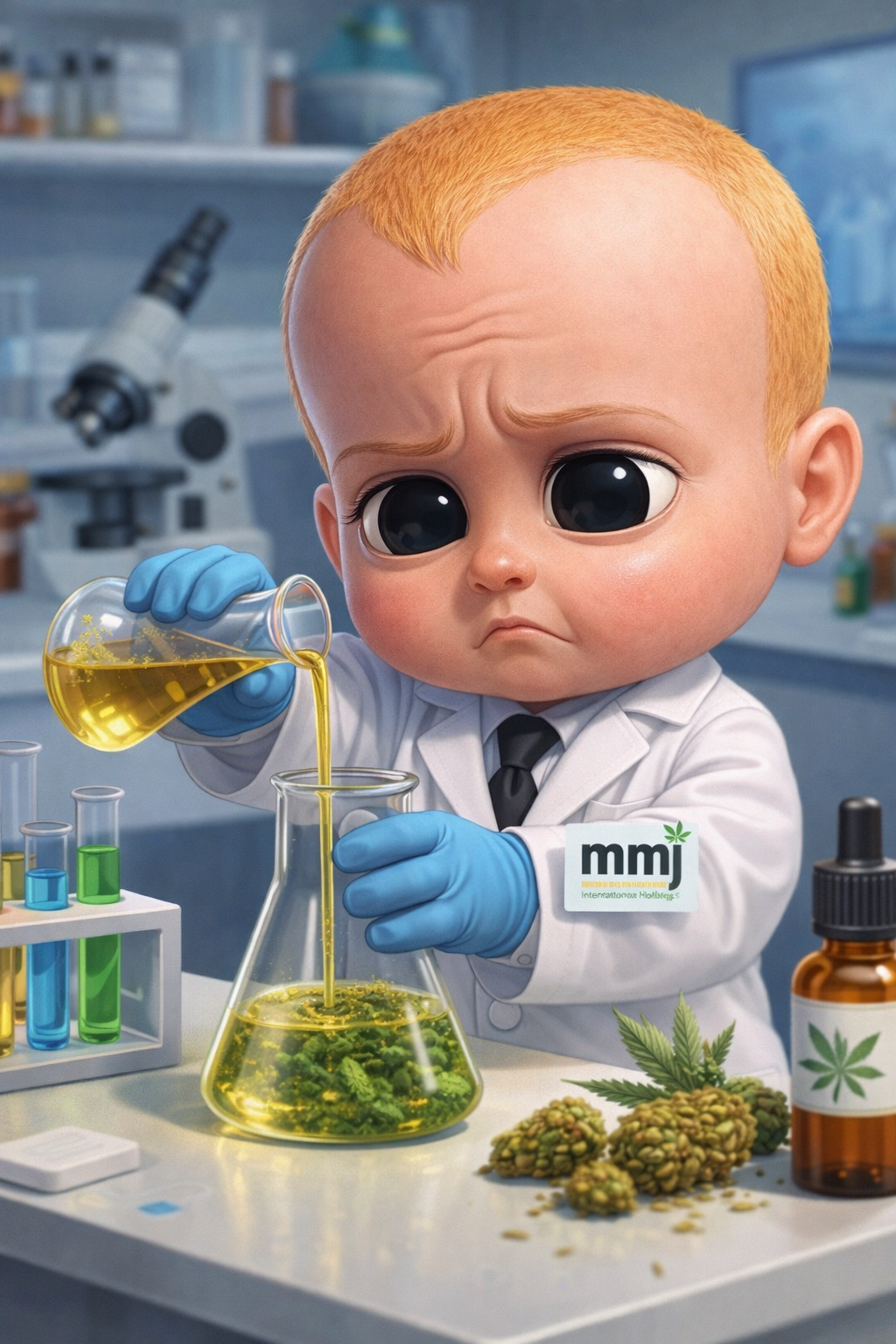
Announcements from companies such as Aurora Cannabis and Tilray Brands signal what many investors already suspect: the next chapter of cannabis will be defined not by dispensaries, but by regulated medicine.
At the TD Cowen Healthcare Conference, Aurora leadership emphasized a strategic shift toward focusing solely on global medical and pharmaceutical cannabis markets. Shortly thereafter, Tilray announced the creation of Tilray Medical USA, positioning itself to compete in the emerging federally regulated medical cannabis landscape.
For much of the industry, this pivot represents a dramatic strategic change.
For MMJ International Holdings, it simply confirms a path chosen long ago.
A Decade in the FDA Lane
While many operators are now racing to establish medical credibility, MMJ International Holdings has spent the past decade navigating the most difficult pathway in pharmaceutical development: the U.S. Food and Drug Administration clinical trial process.
That work began long before federal cannabis reform was politically feasible.
Instead of pursuing state-level retail markets, MMJ committed to the FDA botanical drug pathway, developing standardized cannabinoid formulations designed to meet the rigorous chemistry, manufacturing, and clinical standards required for prescription medicines.
The company's investigational program focuses on proprietary CBD/THC soft-gel capsules targeting serious neurological diseases including:
Huntington's disease
Multiple sclerosis
The Huntington's program has already received Orphan Drug Designation from the U.S. Food and Drug Administration, recognizing the significant unmet medical need for new therapies.
Why Money Alone Cannot Solve the FDA Problem
The reason many cannabis companies avoided the pharmaceutical pathway for so long is simple: it is extraordinarily difficult.
In fact, since the FDA first issued Botanical Drug Development Guidance in 2016, only a handful of plant-based drugs have successfully navigated the full regulatory process.
Botanical medicines present unique challenges:
Complex mixtures of hundreds or thousands of compounds
Difficult standardization of plant genetics and cultivation conditions
Extensive chemistry, manufacturing, and control (CMC) requirements
Long timelines for clinical development
As industry experts have pointed out, botanical drugs require deep characterization of plant chemistry and precise manufacturing controls before clinical trials can even begin.
That work cannot be rushed.
It requires years of regulatory engagement, analytical validation, and manufacturing discipline.
The Real Barrier: Time
The recent wave of "medical" announcements from cannabis companies reflects an important realization: the future market will belong to companies that can operate within pharmaceutical regulatory systems.
But there is a fundamental reality many newcomers are only now discovering.
You cannot buy time with capital.
Even the most well-funded companies must still complete the same sequence:
Botanical characterization
Chemistry and manufacturing controls
Stability validation
Investigational New Drug applications
Phase I, II, and III clinical trials
This process often takes eight to twelve years.
MMJ International Holdings began that journey long before the current policy shift.
Schedule III Changes the Landscape - But Not the Work
The federal decision to move cannabis to Schedule III is significant because it finally acknowledges the medical value of cannabinoids and reduces regulatory barriers that previously slowed research.
However, rescheduling does not replace the FDA approval process.
Any cannabinoid therapy seeking nationwide prescription use must still pass through the same rigorous clinical pathway required of every other pharmaceutical drug.
That reality is now reshaping the industry.
Companies that once prioritized retail expansion are now building clinical strategies, seeking research partners, and forming medical divisions.
Why MMJ's Early Commitment Matters
Because MMJ International Holdings committed early to the FDA pathway, it has already completed many of the foundational steps others are just beginning:
Pharmaceutical-grade formulation development
Stability and analytical validation
IND regulatory groundwork
Orphan drug designation
Clinical trial planning
This long-term regulatory investment has created something rare in the cannabis industry: real pharmaceutical value.
The Next Phase: Clinical Proof
The true transformation of cannabis into mainstream medicine will not come from marketing campaigns or policy debates.
It will come from clinical data.
Controlled trials that demonstrate safety, efficacy, dosing, and reproducibility are what ultimately convert plant compounds into prescription therapies.
Companies that invested early in that scientific infrastructure are now positioned to lead.
Others will follow.
The Industry Is Pivoting - But the Clock Matters
The cannabis sector is entering a new era.
Retail markets may continue to exist, but the largest long-term opportunity lies in regulated, clinically validated cannabinoid medicines.
Many companies are now trying to pivot into that space.
But regulatory timelines cannot be compressed overnight.
In pharmaceutical development, the most valuable asset is not capital.
It is time already spent inside the FDA process.
That is the advantage MMJ International Holdings built over the past decade-and the reason the company now stands uniquely positioned as the cannabis industry transitions from commodity cultivation to regulated medicine.
CONTACT:
Madison Hisey
MHisey@mmjih.com
203-231-8583
SOURCE: MMJ International Holdings
View the original press release on ACCESS Newswire