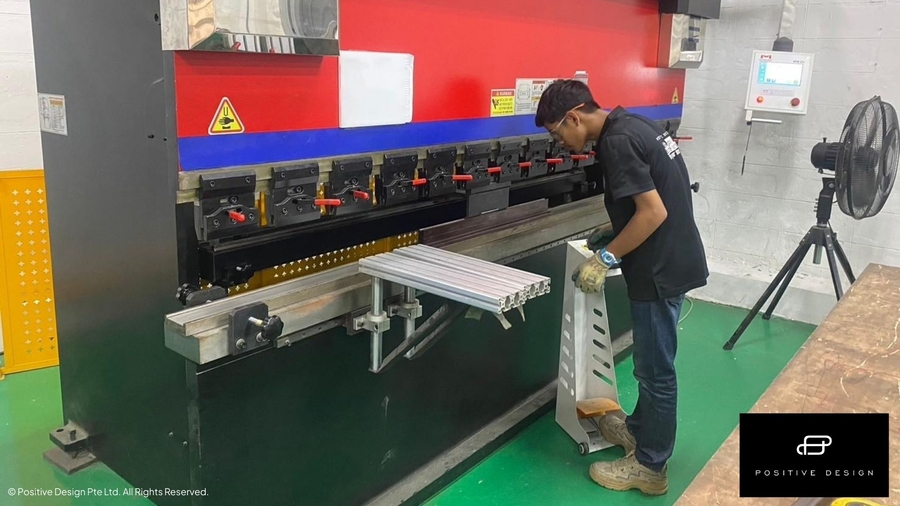
Asia's luxury retail growth is expanding, but frequent store fit-outs carry a growing carbon burden, highlighting the need for retail interior design to evolve.
SINGAPORE, January 21, 2026 /24-7PressRelease/ -- As luxury retail expands rapidly across Asia, a growing body of research suggests that the region's store fit-outs carry a significantly higher environmental cost than many realise. While consumer interest in sustainability is rising, the carbon footprint behind frequent interior build-outs, material sourcing, and short refresh cycles remains largely unaddressed, posing a challenge for the future of retail interior design.
Industry reports from McKinsey show that Asia's luxury sector continues to outpace global growth, driven by younger affluent consumers and new mall developments across Singapore, Bangkok, Jakarta, and Kuala Lumpur. Yet this acceleration has intensified the environmental impact of interior construction. High-end stores often require imported materials, energy-intensive lighting, and bespoke fixtures that are replaced every few years, contributing to embodied carbon and large volumes of waste.
Experts note that the environmental burden is further amplified by regional retail norms, where short-term leases and rapid brand updates result in frequent demolitions rather than adaptive reuse. Sustainable retail interior design has therefore become a priority for landlords and architects seeking to meet emerging regulatory and consumer expectations.
Key Takeaways
- Retail interior design can account for a significant share of a store's total carbon emissions, driven by materials and construction waste.
- Luxury stores face higher embodied carbon due to bespoke finishes, imported materials, and short refresh cycles.
- Southeast Asian malls are increasingly incorporating sustainability requirements into tenancy guidelines and design approvals.
- Emerging solutions include modular fixtures, circular materials, low-VOC finishes, LED zoning, and reuse of existing structural elements.
Industry observers suggest that the next phase of sustainable retail will prioritise low-carbon materials, longer-lasting fixtures, and design approaches that reduce the need for frequent rebuilds. In practice, this means creating base store interiors that can be easily adapted or refreshed over time, using modular elements where appropriate, reusing existing components wherever possible, and minimising unnecessary demolition and waste.
"The shift toward circularity and adaptive reuse is becoming central to future retail interior design strategies," said a spokesperson from Positive Design. This shift has also reinforced the importance of following recognised sustainability best practices, with many demonstrating their commitment by disclosing their efforts through recognised platforms such as EcoVadis, CDP, and SLOCT.
Looking Ahead
As sustainability becomes embedded in corporate and consumer values, retailers and design partners are expected to adopt more transparent, data-driven approaches to material selection, energy performance, and lifecycle planning. These shifts signal a long-term transformation in how Asia's luxury retail environments are conceived, built, and renewed.
For more insights on sustainable retail interior design trends in Asia, visit www.positive-design.com.
About Positive Design
Positive Design is a Singapore-based retail interior design and shopfitting consultancy with over 30 years of experience supporting global luxury brands across the world. The firm specialises in delivering culturally attuned, high-quality retail environments with an emphasis on technical precision, craftsmanship, and sustainable design methodologies. Learn more at www.positive-design.com.
---
Press release service and press release distribution provided by https://www.24-7pressrelease.com